 Reviews


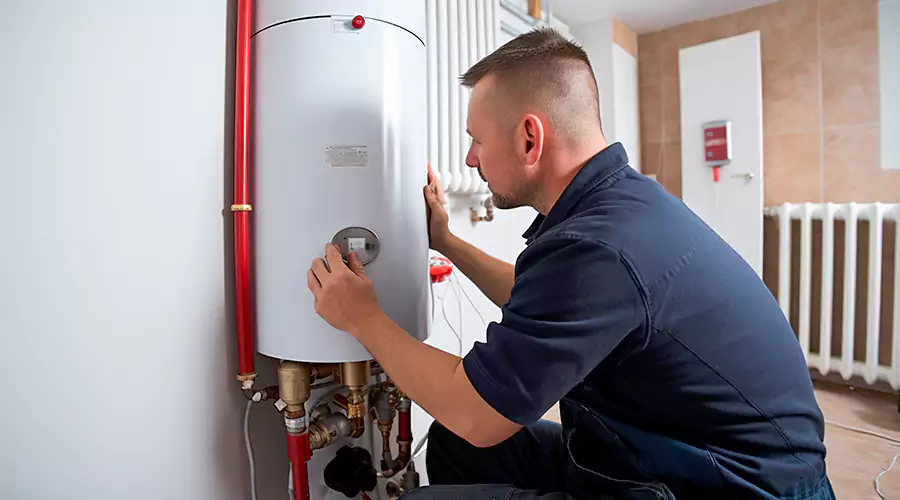
A water heater is one of those appliances you rarely think about until something goes wrong. When it starts making strange sounds, it can be unsettling. You might hear popping, cracking, rumbling, or hissing coming from the tank. These noises are not just annoying. They are often early warning signs of underlying issues that can lead to reduced efficiency, higher energy bills, or even a complete system failure. The good news is that most water heater noises can be diagnosed and often fixed without replacing the entire unit. This guide explains the most common sounds, what causes them, and how to troubleshoot each problem.
Normal vs. Concerning Water Heater Sounds
Before you worry, understand that some sounds are normal. A soft humming from electric water heaters is usually harmless. Gas water heaters produce a low burner sound during operation. However, loud or persistent noises are a different story. You should pay attention to sounds that:
- Start suddenly after years of quiet operation
- Get louder over time
- Occur even when no one is using hot water
- Come with other symptoms like rusty water or leaks
The table below outlines the most common troubling noises and their likely causes.
| Noise Type | What It Sounds Like | Most Likely Cause |
|---|---|---|
| Popping or cracking | Bubbles bursting | Sediment buildup at the bottom of the tank |
| Rumbling or booming | A small rock tumbling inside a metal drum | Thick layer of hardened sediment |
| Sizzling or hissing | Water hitting a hot surface | Leaking water onto the burner (gas heaters) |
| High pitched squealing | A whistling or screeching sound | High water pressure or a loose valve |
| Hammering or banging | A sharp knock when water flow stops | Water hammer effect in pipes |
Cause 1: Sediment Buildup (Popping and Rumbling)
This is the most common cause of water heater noise, especially in homes with hard water. Hard water contains minerals like calcium and magnesium. When water heats up, these minerals precipitate out and settle at the bottom of the tank. The burner or heating element then heats the water through this layer of sediment.
Why it makes noise:
Water trapped under the sediment layer becomes superheated. It eventually escapes as steam bubbles that pop through the cooler sediment above. This creates the classic popping or cracking sound. As the sediment layer hardens and thickens, the noise turns into a deep rumbling sound.
How to troubleshoot:
- Listen to the tank a few minutes after the heating cycle starts. Popping sounds that fade after a few minutes indicate moderate buildup.
- Check the age of your water heater. Units older than 10 years are more likely to have significant sediment accumulation.
- Monitor hot water temperature. Sediment buildup reduces heating efficiency, so water may not stay hot as long.
Solution:
Flush the water heater tank. This is a do it yourself task that requires a garden hose and a nearby drain. Turn off the power or gas supply, attach the hose to the drain valve at the bottom of the tank, and open the valve to let water run until it comes out clear. Flushing once a year prevents sediment from hardening. For severe buildup, you may need a professional descaling service.
Cause 2: Condensation on the Burner (Sizzling or Hissing)
If you have a gas water heater and hear a sizzling or hissing sound, condensation is a likely culprit. This happens when cold water enters the tank and causes the burner to cool down rapidly. Moisture from combustion gases condenses on the cold burner surface and sizzles like water on a hot frying pan.
When it is normal:
- Brief sizzling right after a large amount of hot water is used, such as after back to back showers or running the washing machine. The sound should stop within a few minutes.
When to worry:
- Continuous hissing that does not go away or that happens when no hot water has been used recently. This can indicate a leak where water is dripping directly onto the burner.
How to troubleshoot:
- Check the floor around the water heater for water puddles.
- Look for rust or moisture on the burner access door.
- Listen for the sound pattern. Intermittent sizzling that follows hot water usage is normal. Constant sizzling is a problem.
Solution:
For normal condensation, no action is needed. For a suspected leak, turn off the gas supply and water supply to the heater immediately. Call a licensed plumber. A leak inside a gas water heater can create a dangerous situation.
Cause 3: High Water Pressure (Squealing or Whistling)
High pitched squealing sounds often come from the pressure relief valve or from the inlet pipe as water rushes through a narrowed opening. Household water pressure should be between 40 and 80 psi. Anything above 80 psi causes excessive stress on your water heater and plumbing system.
How to troubleshoot:
- Buy a simple pressure gauge from a hardware store. Attach it to an outdoor hose bib or laundry sink faucet.
- Turn on the water and read the pressure. Consistently high readings above 80 psi are the cause.
- Listen near the temperature and pressure relief valve. A whistling or weeping sound indicates the valve is releasing excess pressure.
Solution:
Install a pressure reducing valve, also called a pressure regulator, on your main water line. This is a job for a professional plumber. A pressure reducing valve costs between 50 and 100 dollars, and installation takes about an hour. Without this fix, high pressure will eventually damage your water heater, washing machine hoses, and other appliances.
Cause 4: Water Hammer (Banging or Hammering)
Water hammer produces a loud bang or hammering sound when a faucet or valve closes suddenly. The moving water slams against the closed valve, sending a shock wave through the pipes. This noise often resonates through the water heater tank, making it seem like the heater itself is the source.
How to identify water hammer:
- The bang happens at the exact moment you turn off a faucet or when a solenoid valve closes in your dishwasher or washing machine.
- The sound travels through pipes and can be heard at the water heater.
- The noise stops when you slowly close faucets instead of shutting them off quickly.
Solution:
Install water hammer arrestors on the problem lines. These devices contain a piston and an air chamber that absorb the shock wave. Simple arrestors screw onto the washing machine supply valves. For other fixtures, a plumber can install inline arrestors. Another temporary fix is to drain your water heater completely and refill it. This restores the air cushion in the tank, which acts as a natural shock absorber.
Cause 5: Loose Heating Elements (Electric Heaters Only)
Electric water heaters have one or two heating elements that are screwed into the tank. Over time, these elements can loosen slightly. When they heat up and cool down, they vibrate against the tank wall, producing a humming or buzzing sound. In more severe cases, the element rattles and produces a clicking noise.
How to troubleshoot:
- Turn off power to the water heater at the breaker panel.
- Remove the access panels on the side of the tank.
- Use a screwdriver to check if the heating element feels tight or loose.
Solution:
Tighten the loose element with an element wrench. Do not overtighten, as this can strip the threads. If the element is badly corroded or if tightening does not stop the noise, replace the element. Replacement elements cost between 15 and 30 dollars. Always turn off the power and drain the tank before replacing any electrical component.
Preventive Maintenance to Stop Noise Before It Starts
The best way to avoid water heater noise is regular maintenance. These simple tasks take less than an hour each year:
- Flush the tank annually to remove sediment.
- Test the temperature and pressure relief valve by lifting the lever. Water should flow out and then stop.
- Check the anode rod every three years. This rod attracts corrosive elements and protects the tank.
- Set the thermostat to 120 degrees Fahrenheit. Higher temperatures accelerate sediment buildup.
- Inspect the area around the water heater for leaks or moisture.
When to Replace Your Water Heater?
Some noises indicate that your water heater is near the end of its life. Most tank-style water heaters last 10 to 12 years. Consider professional water heater repair or replacement if these signs appear, to ensure reliable hot water and prevent further damage.
- The tank is more than 12 years old and makes loud rumbling sounds.
- You have flushed the tank multiple times but the noise returns within weeks.
- The tank is leaking from the bottom, which indicates internal corrosion.
- Your energy bills have increased significantly without a change in usage.
A new water heater costs more upfront but saves money on energy and repairs over time. Tankless water heaters and high efficiency models produce less sediment and operate more quietly.
Final Thoughts
A noisy water heater is rarely an emergency, but it should never be ignored. Popping and rumbling usually point to sediment buildup, which is treatable with a simple flush. Sizzling and hissing may be normal condensation or a dangerous leak. Squealing suggests high pressure, and banging is often water hammer. By identifying the specific sound and following this troubleshooting guide, you can decide whether to fix the problem yourself, call a plumber, or start shopping for a replacement. Regular maintenance keeps your water heater quiet, efficient, and reliable for years to come.